Homeowners in Kansas City should never ignore strong sewer or septic tank odors in the home, especially if you’ve found yourself asking, “Why does my house smell like septic?” These smells often indicate septic gas or other plumbing issues that need prompt attention. The problem isn’t just the stench; it’s also a health issue, especially when these gases are in high concentrations. There are loads of bacteria and viruses in home wastewater, plus nitrogen and phosphorus, that can seriously harm the environment, according to the U.S. Environmental Protection Agency. If you notice septic tank odors in your yard, contact a plumber to inspect your septic tank system for issues such as a clogged drain or sewer line, a failed drain field or leach field, or any other cause of the bad smells.
Plumbing issues often start with minor signs, such as a foul odor, unusual smells in the house, or occasional gurgling sounds. When these symptoms appear, it’s essential to take action to make sure there isn’t a clog in your plumbing system, especially in the drain lines and drain pipes. While there are DIY solutions for minor issues, septic tank odors usually require a professional plumber to diagnose and fix the problem.
Common Causes of Septic Tank Odors
Sometimes odor leaks happen because of a dry p-trap, vent problem, or other common issues. The most common causes include clogs, full tanks, and blocked vents.
Clogs: If your sewer system is clogged, whether due to buildup in drain traps, excess toilet paper, or a blockage near a cleanout, you may need professional drain cleaning. An emergency plumber can remove the blockage and prevent toxic gases from entering your home. Contact a local residential or commercial plumbing service for immediate septic system inspection and service.
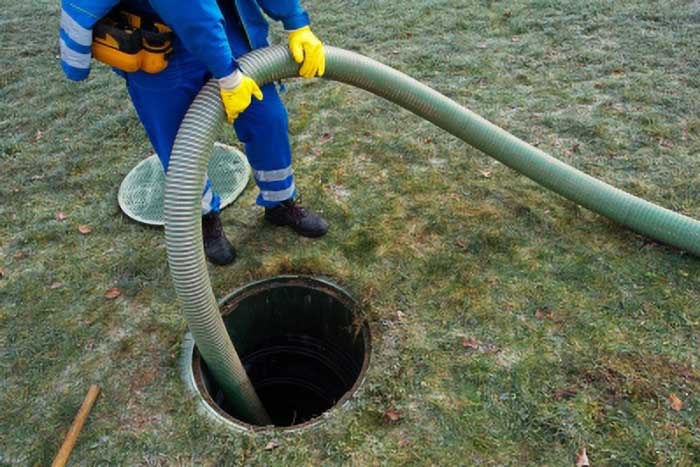
Full tanks: A tank can get too full or overflow if the pump stops working. This overflow can create air pressure problems and additional plumbing issues that push odors back through drains. Emergency plumbing services can fix septic tank smells, restoring the normal flow of wastewater so there’s room for new inflow. Local plumbers can arrive on-site quickly to pump out your tank and get things back to normal.
Blocked vents: If a vent pipe is covered or has failed, a lack of plumbing venting can allow septic gas or potent sewer gas to build up, creating a toxic and flammable indoor environment. A septic tank odor neutralizer won’t eliminate the risk, as bacteria do not cause the problem; rather, the vent stack for the septic system has failed. Another way to correct odors with blocked vents is to place a carbon filter on top of them if accessible. Carbon filters can help absorb foul odors. Make sure you use a filter that does not obstruct airflow or further block it.
Sewer Odors Inside the Home
Not all sewage smells or septic tank odor in the house come from the tank itself. In many cases, the odor develops somewhere inside the home’s plumbing system due to issues unrelated to the drainfield, clogs, or tank capacity. Problems with drain traps, venting, seals, or the main sewer line can allow sewer gas smell to escape into living spaces, creating foul odors even when the septic tank is functioning normally. Understanding these additional in-home plumbing issues can help homeowners pinpoint the cause of septic smell and determine when regular maintenance or a professional inspection is needed.
1. Dry or Missing Water Traps (P-Traps)
Every sink, shower, appliance drain, and floor drain relies on a curved P-trap that holds water to block septic gas and sewer odors from entering the home. When a drain trap dries out, often in rarely used fixtures like guest bathrooms or basement drains, the water seal evaporates, allowing septic gases to enter the home. Homeowners can restore the trap by pouring water into unused drains and briefly running water at faucets. If odors persist, it could signal a more serious plumbing problem that requires professional inspection.
2. Loose or Failing Toilet Wax Rings
A wax ring creates an airtight seal between the toilet and the drain pipe. When the wax ring dries out, cracks, or shifts, it breaks the seal and allows sewer gas smell or septic tank odor in the house bathrooms. Because this issue occurs beneath the toilet base, replacing or resealing the ring is typically a job for a licensed plumber and should not be delayed.
3. Cracked or Leaking Sewer/Drain Pipes
Aged, damaged, or poorly joined sewer or drain pipes can leak septic gas into walls, crawl spaces, or living areas. Homeowners may notice sewage odors near the floor, behind walls, or around plumbing fixtures when a pipe crack develops. Since these leaks often occur in hidden areas and can worsen over time, a professional cleanout inspection and repair are essential for safety.
4. Improper or Blocked Plumbing Venting
Your home’s vertical plumbing vent stack regulates air pressure and safely allows sewer gases to escape outdoors. If debris, animal nesting, ice, or incorrect installation blocks the vent, odors may push back into the home instead of venting outside. A blocked vent can mimic the symptoms of septic tank odor in house spaces. A professional vent inspection ensures proper airflow and prevents recurring sewer gas smell.
5. Damage or Blockage in the Sewer or Septic Line (Between House and Tank)
Even when the septic tank is functioning correctly, a blockage or crack in the main sewer line can force septic gas back toward the house. Tree root intrusion, shifting soil, grease buildup, or failing pipe materials are common culprits. These plumbing issues require a camera inspection to locate the damaged section and prevent more serious backups or sewer odors.
DIY Solutions to Septic Tank Smells
If you understand how the septic system works, you can control the foul smell or eliminate it. Even though clogs, full tanks, and blocked vents are the most common causes of septic smells, they’re not the only ones. Sometimes the smell can be attributed to other factors that a homeowner can restore on their own. Below is a list of ways a homeowner can put their DIY skills to the test and combat the septic smells.
Microbes and bacteria inside the septic tank break down waste solids, but they can survive only when the pH level stays between 6.8 and 7.6. If the pH is too high, it can become acidic, and a rotten-egg odor can develop. Homeowners can work to correct pH levels by adding a cup of baking soda to a sink drain or toilet at least once a week: this will help restore the septic tank’s pH and reduce odors.
Check your maintenance hole cover: A maintenance hole cover is typically a concrete, metal, or plastic lid that covers the access point to your septic tank. Depending on the material, it could be a crack or a worn-out cover that no longer seals. Check your maintenance hole cover for any noticeable cracks/open areas, and try to remove the lid. If the lid is extremely loose or not secure at all, then it’s time to replace it with a new one.
Replace your wax seal: If bathroom odors are strong and you have plumbing experience, check the wax seal under your toilet. A dried or damaged wax seal is often the culprit. To fix it, remove the toilet and install a new wax ring. If you’re not confident in your DIY skills, hire a licensed professional, such as A-1 Sewer & Septic, to handle the replacement safely.
Be cautious of septic additives: Some articles or people may suggest using septic additives in your system to help eliminate odors. As a homeowner, it’s best to research which additives are best for your system and whether they are needed at all. Using additives does not guarantee a solution, and depending on the additive, it can disrupt the system’s natural activity.
Sometimes, simply running water through unused drains or flushing toilet fixtures can restore a water seal. Checking infrequently used faucets should also be part of your regular maintenance routine.
When to Call a Plumber
Plumbing services such as inspections, septic tank pumping, part replacements, leak detection, and sludge/organic waste removal can eliminate septic odor inside the house and prevent new septic system smells.
Professional plumbers have the tools and experience to address plumbing and odor issues correctly. A professional can inspect all possibilities and determine the underlying cause to resolve the problem entirely. At the same time, solutions such as bleach, a new wax ring, a replacement P-trap, or clearing a washing machine drain line may only provide temporary relief.
A-1 Sewer & Septic has been professionally and quickly servicing the plumbing and septic system needs of Kansas City homeowners for decades. Our plumbers can tackle any need your plumbing system may have.
To get started and schedule a thorough septic system inspection in Kansas City, call us at 913-359-8622.