Keeping a septic system in good working order requires routine maintenance and a basic understanding of how the system functions. Homeowners who take the time to learn how their septic system works are better prepared to prevent clogs, reduce repair costs, and extend the life of their system.
A properly maintained septic tank relies on two main factors: avoiding harmful materials and scheduling regular service. Harmful items like baby wipes, feminine hygiene products, paper towels, and cigarette butts should never be flushed. These products do not break down and can clog the drain lines or interfere with the natural processes inside the tank.
The second key to maintenance is routine pumping. Septic tank pumping, also known as septic cleaning, involves using a vacuum truck to remove the sludge, scum, and liquid waste that builds up over time. Removing this waste prevents system failure, protects your onsite system from backups, and helps keep your sewer line and drain field functioning properly.
Where Does Septic Waste Go?
After a pump out, licensed waste management professionals transport the collected human waste, sludge, and effluent to regulated facilities for processing. Most commonly, waste is taken to a municipal sewer treatment plant, where it undergoes additional wastewater treatment to remove contaminants. In some cases, it may be taken to a permitted landfill, converted into fertilizer for agricultural use, or used to produce renewable energy through methane capture.
Proper disposal is important for protecting groundwater, well water, and drinking water. When waste is not managed correctly, it can introduce harmful contaminants into the surrounding soil, especially in areas where the water table is high. Following EPA guidelines and using a certified septic provider ensures that your septic service is both safe and environmentally responsible.
Regular maintenance and safe use help reduce the risk of blockages, slow drainage, and system failure. To keep your system running efficiently, never flush items like dental floss, cat litter, coffee grounds, cooking oil, or solvents. These materials can interfere with how the enzymes in your tank break down waste and may lead to more frequent pumping.
Signs Your Septic Tank Needs Pumping or Repairs
Understanding when your septic tank needs service can help you avoid bigger problems. Common warning signs include:
- Pooling water or soggy soil near the tank or leach field
- Slow-flushing toilets and sluggish drains
- Foul odors inside the home or outside near the septic system
- Wastewater backing up into showers, tubs, or floor drains
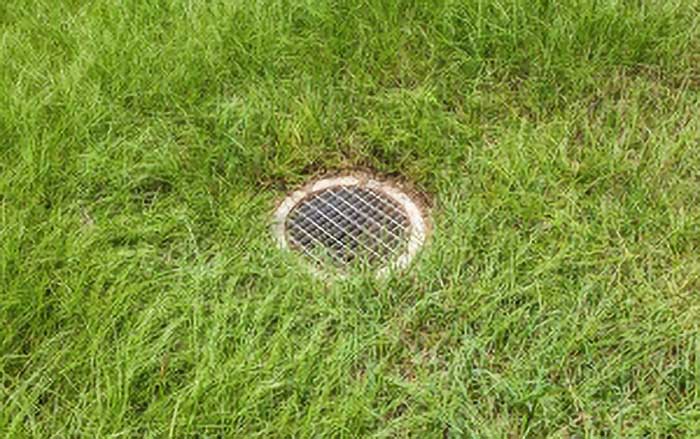
- Visible overflow near the manhole or access lid
These signs may indicate that your tank is full, your baffles are clogged, or your drain field is saturated. Delaying service can lead to costly repairs and environmental damage. If you experience any of these issues, contact a septic professional immediately.
When Should I Get My Septic Tank Pumped?
How often you need to have your septic tank pumped depends on several factors, including:
- The size of your tank
- The number of people in your household
- The amount of wastewater and solid waste generated
- How often you use high-water appliances, such as the washing machine, garbage disposal, and faucets
If your home has a four-person household and a standard 1,000-gallon tank, pumping every three to four years is generally recommended. However, homes with higher water usage or smaller tanks may need more frequent pumping.
Other factors, like nearby tree roots, the condition of the leach field, and the use of aerobic treatment systems, can also impact the frequency. Additionally, if your system includes grinder pumps, ejector pumps, or effluent pumps, you should schedule regular maintenance for those components as well. Practicing good habits, such as conserving water and avoiding flushing harmful materials, can help extend the time between pumpings and improve the lifespan of your system.
Services That a Good Septic Company Offers
Beyond routine septic tank pumping, a reputable septic service provider should offer a full range of solutions to help keep your wastewater system running smoothly. These services may include:
- Septic Tank Pumping – Removing accumulated wastewater, solid waste, and scum from residential, commercial, or industrial septic tanks using high-capacity vacuum trucks.
- Septic Tank Cleaning – For tanks that are backed up or experiencing excessive buildup, thorough cleaning helps restore proper function beyond standard pumping.
- Septic System Maintenance – Services such as camera inspections, drain field assessments, clog removal, and specialized care for the specific type of system installed, along with scheduled service plans, help identify problems early and extend the system’s life.
- Septic Tank Installation – Full system installation services for new construction homes, replacing aging, damaged tanks, or new setups using durable materials like fiberglass
- Grease Trap Pumping – Essential for restaurants, cafeterias, and other food-service businesses, ensuring grease traps are emptied and maintained to prevent plumbing issues.
- Holding Tank, Storm Drain, and Sump Pump Services – Providing support for additional wastewater needs such as holding tank pumping, storm drain cleaning, and sump pump maintenance for both residential and commercial properties.
When choosing a septic company, look for one that can provide these comprehensive services to ensure long-term care and efficiency for your entire wastewater system.
Top Qualities of a Reliable Septic Company
When it comes to choosing the right septic service provider, not all companies offer the same level of reliability or service. Look for these key qualities in a septic company you can trust:
- Proven Track Record – Companies with years of hands-on experience and a history of positive customer reviews show consistent, dependable service.
- Extensive Knowledge – A qualified team should be able to clearly explain your septic system’s needs, identify potential issues, and recommend the most suitable solutions.
- Transparent Pricing – Look for precise, upfront estimates with no hidden fees, and open communication about services and costs.
- Professionalism – Dependable providers show up on time, treat your property with respect, and respond promptly to service requests.
- Customer Service – Friendly, approachable staff who are easy to work with and willing to answer questions help ensure a smooth experience.
- Full-Service Capabilities – From routine maintenance to system repairs and new installations, a complete range of services helps cover all your septic needs.
- Modern Equipment – The right tools and technology make a difference in efficiency and quality, whether it’s vacuum trucks, inspection cameras, or repair equipment.
By focusing on these qualities, you’ll be more confident in choosing a septic company that delivers reliable results and lasting value.
Septic Tank Pumping Costs
At A-1, we list our septic tank pumping costs on our plumbing prices page, along with fees for sewer line drain cleaning and other services.
The costs will vary based on the tank size (most prices include the first 1,000 gallons). Septic tank systems vary in their holding tank size, but most are 1000, 1500, or 2000-gallon tanks.
Septic system maintenance and pumping should be on a schedule based on the factors previously mentioned, but chances are you won’t need them pumped more than once each year unless you are experiencing lateral issues (drain field or leach field).
Call A-1 Sewer & Septic for All Your Sewer Tank Pumping Needs
If you need your septic tank pumped in Kansas City, contact A-1 Sewer & Septic Service Inc. We use modern 4,000-gallon capacity vacuum trucks and provide our services for residential, commercial, and industrial properties. Contact us today at 913-382-5655 to learn more or schedule an appointment.