.
Homeowners often resolve clogged drains on their own without calling a professional. Moreover, you don’t need to use toxic chemicals to clear your clog. With a bit of patience and some tried-and-true methods, you can often unclog drains in a reasonably short time.
.
How To Unclog a Drain with Septic System
When learning how to unclog a drain with a septic system, it’s essential first to identify whether you are dealing with a clogged septic tank drain or a clogged pipe. Since the septic tank is an underground storage tank that holds waste and flushable toilet paper from your home and discharges them into the drain field, it’s reasonable for clogs to occur. The pipe leading from your house to the septic system is a main drain line that is prone to clogs and damage. Some of the most common symptoms in identifying a clogged mainline include:
- Foul Smell/Odor from Drains
- Slow Drains for sinks/tubs
- Gurgling noises from toilets and drains
These identifiers show homeowners when a main drain problem needs attention. Once you identify a main drain issue that isn’t affecting the draining system or septic tank, you can resolve the clog without professional help.
If you are a homeowner with experience, knowledge, and confidence in household plumbing, here’s a step-by-step DIY guide to clearing a clogged main line.
.
Step 1: Natural, nonchemical drain solution:
It’s crucial not to pour chemical drain cleaners down the drain, as they can harm the septic system. Instead, what can you use to safely unclog a drain with a septic tank? Utilize natural resources such as baking soda and a vinegar solution. Baking soda will act as the cleaning agent, dissolving the clog, and vinegar will refresh the drain and eliminate any grease.
Apply ⅓ cup of baking soda into the drain, followed by ⅓ cup of vinegar. You can choose to mix the baking soda and the vinegar before pouring both down the drain line. Then let the solution work for an hour before flushing the drain with hot water.
.
Step 2: Pour Hot Water Into the Maindrain
Hot water helps the baking soda and vinegar solution move and loosen obstructing elements within the drain. Pour as much hot water as possible into the drain to maximize the effect.
.
Step 3: Get a Plumbing Auger and Use a Drain Snake
You can rent a plumbing auger that reaches nearly 80 meters down your main drain and rotates a tool that effectively clears clogged pipes. You’ll want to use the drain snake by inserting it into the drain until you feel an obstruction. After you find the clog, use the auger to rotate and clear it out.
.
Step 4: Know When to Contact a Professional Plumber
Not every homeowner can DIY a clogged main drain, especially if a septic system is involved. Know your limits and capabilities when it comes to DIY unclogging. If your efforts aren’t successful, rely on the professionals. Call A-1 Sewer and Septic Service to unclog your main drain and guarantee a cleared drain all the way to your septic tank.
.
Unclogging a Drain With a Septic System
If you’re a homeowner with a septic system, you’ll need to take extra care when clearing blockages. Improper removal can cause backups that damage the septic tank or interfere with pumping and the handling of solid waste. You want to avoid creating backups that can affect your septic tank, damage the PVC (Polyvinyl Chloride) pipe, or complicate septic tank pumping.
Here are some DIY methods for unclogging a drain if you have a septic system, before calling professionals.
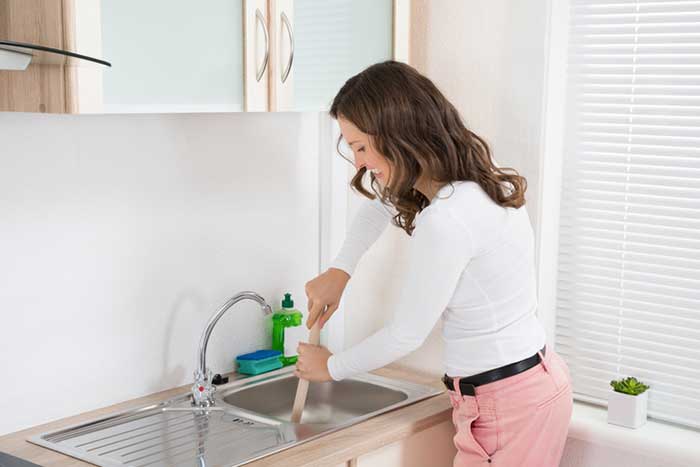
- Try to remove the physical cause of the problem. One common cause of clogs is hair collected around a pop-up stopper or strainer. You can perform drain cleaning and remove the hair and clear the drain clog, or you can use a drain stick to clear clogs in the drain pipe caused by hair in a P-trap or an S-trap. Cleaning a sink trap can remove clogs caused by buildup or a foreign object, a plunger can clear clogs that aren’t too far into the pipes, and a plumbing snake can clear deep blockages.
- A chemical drain cleaner can break up stubborn clogs. Choose a product suitable for your septic system and the type of pipes you have. For instance, if you have a septic system, ensure the drain cleaner is septic-safe. Do not use a chemical cleaner like bleach without any research. Chemicals could ruin your plumbing system and other areas if not used properly. If you’re unsure whether a chemical drain cleaner is safe for your system, just know that you should never mix drain cleaners, and don’t use drain-opening tools after utilizing a drain cleaner. Drain cleaners contain harsh chemicals that can react. Be careful not to let them come into contact with finished fixtures like faucets, stoppers, or drain trim.
- A less toxic alternative is a natural drain cleaner. Aside from being gentler on your pipes and features, natural drain cleaners are less likely to impact the environment than chemical drain cleaners. These cleaners use specific enzymes to safely dissolve organic material without harming the septic system.
- DIY Drain Cleaner: Put ½ cup of baking soda into your drain, ensuring it all goes down. Pour ½ cup of white vinegar into the drain, then immediately cover it with a stopper or rag to keep the bubbles in the drain. Wait 2 minutes and pour another ½ cup of vinegar into the drain, again stopping it with a rag or stopper. Wait 15-30 minutes, then pour a gallon of boiling water down the drain. You may have to repeat the process for a stubborn clog.
- Use dish soap and hot water when grease causes the clog. Squirt a generous amount of soap down the drain, then follow it with a pot of boiling water.
- Hydrogen Peroxide: Mix a cup of hydrogen peroxide with one tablespoon of baking soda, and pour it down the drain. Let it foam. As the chemical reaction takes place, it should break up the clog and refresh your pipes.
- Prevention is the best cure. Never pour coffee grounds, grease, or anything else that can solidify or clump into a sink or drain line. If you use a garbage disposal, run plenty of cold water to flush food particles down. Frequently clean pop-up stoppers and strainers, and consider using a septic-safe treatment designed to reduce buildup and corrosion in pipes; this will help prevent slow drains, gurgling, and the need for a plumber’s snake/auger.
- Tree roots are another common source of septic drain clogs. If you suspect tree roots have infiltrated your lines, you will likely need jetting—a high-pressure water method used by professionals to clear roots and heavy debris from pipes.
.
Your plumbing system is one of your home’s most critical moving parts. It’s crucial to take care of it as much as possible, whether by following helpful drain-cleaning tips and regular preventive measures, or by calling a professional plumbing service to handle all your plumbing needs.
.
When You Need a Professional Plumber’s Help
If you can’t clear the clog in your kitchen sink, main line, wastewater line, or plumbing system, it may be time to call the professionals at A-1 Sewer and Septic Service. Having served the residents of the Kansas City Metro Area since 1968, we’ve earned a reputation for efficient service at affordable, up-front prices.
Our services include line clearing, jetting, locating cleanout access points, and dealing with blockages caused by grease buildup or tree roots.
We’re available on your schedule and offer same-day and weekend service. Give us a call at 913-349-7032, or reach us through the Contact Us page on our website.