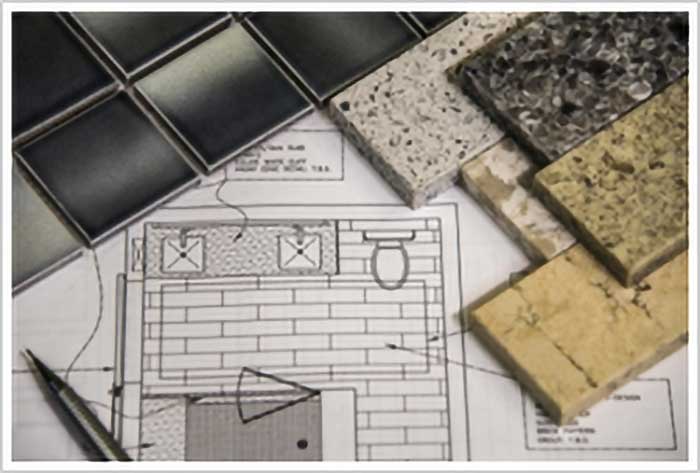
Every successful renovation project starts with a thoughtful plan, and that’s especially true for a bathroom remodel. Before tearing into shower walls, relocating fixtures, or removing drywall, it’s essential to understand how your plumbing system will be affected. From old pipes and plumbing work to fixture placement and building codes, there are many critical elements to consider.
Understanding your current bathroom layout and long-term goals is essential. Your layout decisions, such as where the toilet, tub, shower, or vanity cabinetry will go, will guide your plumbing plan and ultimately determine how efficiently you complete the remodel.
Upgrading a small bathroom, designing a luxury space with a walk-in shower, or completing a full bathroom remodel all require careful plumbing planning. Below, we’ve outlined what to consider before beginning a bathroom renovation so your project runs smoothly from start to finish.
Where does the existing plumbing run?
Do pipes run under the floor or inside the walls? Knowing the layout of your current plumbing is critical before beginning demolition.
Reviewing your home’s plumbing schematic and having a plumber inspect your system before any work begins can help identify key components, such as water supply lines, venting, and drain pipe paths.
Understanding where water and drain lines are located will help you avoid costly mistakes, such as damaging pipes when removing existing fixtures, and ensure your home improvement project can move forward safely and efficiently.
Do you want to move the toilet, tub, shower, or sink?
Relocating fixtures may improve the layout and functionality of your space, but it requires significant plumbing expertise. Changes like moving a toilet or installing a new walk-in shower often involve rerouting both water supply and drain lines, which must meet building codes to pass inspection.
A licensed plumber or general contractor will complete your modifications safely, efficiently, and in compliance with all relevant codes.
Do you need to raise the floor to accommodate a new shower/tub, new drains, and/or water lines?
If you’re installing a new tub or walk-in shower, you may need to raise the floor to accommodate drainage. This is especially common when adding features like cast iron bathtubs or converting a standard tub to a step-in unit.
Elevating the floor can accommodate new drain pipes and water lines while maintaining proper flow and pressure.
What type of plumbing is currently used?
Older homes often come with old pipes made from outdated materials, such as galvanized steel, polybutylene, or even lead. If you’re investing in a complete remodel, it’s smart to replace these aging materials with modern alternatives. PEX piping, which is durable, flexible, and easier to install, is one of the options our plumbing contractors can offer for your bathroom renovation project.
Replacing outdated pipes with new plumbing during your remodel ensures long-term reliability and helps maintain water pressure throughout your system.
Do you want improved water heater performance?
Modern bathroom fixtures, like larger tubs, rainfall showerheads, and multiple body sprays, often demand more hot water than older systems can handle. Installing a tankless or on-demand water heater can meet this increased need while improving energy efficiency. These water-efficient systems heat water only when needed, reducing monthly utility costs and improving performance across all your new fixtures.
They also deliver hot water more consistently, enhancing overall comfort in your home.
As a full-service plumber, we have experience installing tankless units in existing homes and as part of bathroom remodeling projects. We handle everything from system upgrades to complete plumbing overhauls.
Don’t Overlook Plumbing Code Compliance
Plumbing systems must comply with local and national building codes to pass inspections and ensure long-term safety and performance. These codes encompass critical elements, including proper venting to prevent sewer gas buildup, minimum fixture spacing for accessibility and usability, and correct drain pipe sizing to ensure adequate wastewater flow.
Failing to meet any of these requirements can lead to failed inspections, system malfunctions, or even costly rework. A licensed plumber understands how to apply these standards to your specific layout and will ensure your new bathroom is both functional and code-compliant, helping you avoid fines, delays, and unnecessary stress.
Plan for the Unexpected
Hidden issues, like mildew, rot, or leaky pipes, are often discovered during demolition. Budget time and resources for these surprises, especially in in-home remodels of older properties. What looks fine on the surface may reveal outdated or damaged plumbing once walls or flooring are opened up.
Collaborating with a licensed plumber early in the planning process can help identify potential problems in advance, offer cost-saving solutions, and ensure your remodel stays on schedule and within budget.
Being prepared for unforeseen repairs, and having a plumbing professional on board from the beginning, will protect your investment and help avoid major setbacks.
How Much Does a Bathroom Remodel Cost?
Bathroom remodel costs vary widely. There’s no universal price tag because each project is different. Here are some factors that impact the cost of bathroom renovation projects:
- Moving plumbing fixtures (e.g., toilets or tubs)
- Replacing damaged or old pipes
- Installing low-flow, water-saving, or smart plumbing fixtures
- Addressing water damage or structural repairs
- Making modifications for accessibility or code compliance
Location also plays a role; plumbing labor rates vary based on local markets. The best way to get an accurate estimate is by consulting with professional plumbers who can assess your home and provide a tailored quote.
Benefits and Considerations When Upgrading Bathroom Plumbing Fixtures
Modern fixtures offer more than aesthetic enhancements. Consider these benefits when updating your plumbing:
- Water-efficient and low-flow fixtures conserve water and lower utility costs
- Advanced systems reduce strain on your plumbing and septic system.
- Smart valves and faucets improve control and detect leaks early.
- Consistent temperature and pressure enhance comfort and safety.
However, installing new fixtures sometimes requires retrofitting your plumbing system. Older homes may need pipe modifications or structural adjustments to support modern technology.
Choosing Between Pressure-Balanced and Thermostatic Shower Valves
When upgrading your shower, selecting the correct valve is crucial. Here’s a quick breakdown:
- Pressure-balanced valves:
- Control temperature by balancing hot and cold water pressure
- Typically found in older homes.
- Do not allow independent control of flow and temperature.
- Thermostatic valves:
- Maintain consistent water temperature, even when someone flushes a toilet.
- Allow separate control of temperature and water flow.
- Preferred in modern designs for their precision and performance
Choosing the correct valve can make a noticeable difference in your daily comfort and energy efficiency.
High-Tech and Designer Faucets to Consider
Today’s bathroom faucets go beyond function, many offer convenience, luxury, and style. Popular options include:
- Touchless faucets – Hands-free operation improves hygiene and accessibility
- Waterfall spouts – Deliver a spa-like aesthetic
- LED-lit taps – Enhance visibility at night and provide temperature cues
Installation may require plumbing or electrical updates, especially if you’re working with older countertops or sink cutouts. Be sure to confirm compatibility before making a purchase.
Get Professional Plumbing Support for Your Remodel
Plumbing work is one of the most complex aspects of any bathroom remodel. Taking the time to answer these questions and determine if you need to move, update, or replace your plumbing will benefit you in the long run. Whether you’re planning a minor bathroom refresh or a complete transformation, hiring experienced professionals will safeguard your investment and provide you with peace of mind.
At A-1 Sewer & Septic Service, we provide expert plumbing services throughout Kansas City. Our team is here to help with everything from fixture replacement and upgrading old pipes to code-compliant installations and in-home water heater enhancements.
Call us today at 816-301-7882 to schedule a consultation or request a quote.
Let us help you bring your bathroom remodeling vision to life, safely, efficiently, and with lasting results.